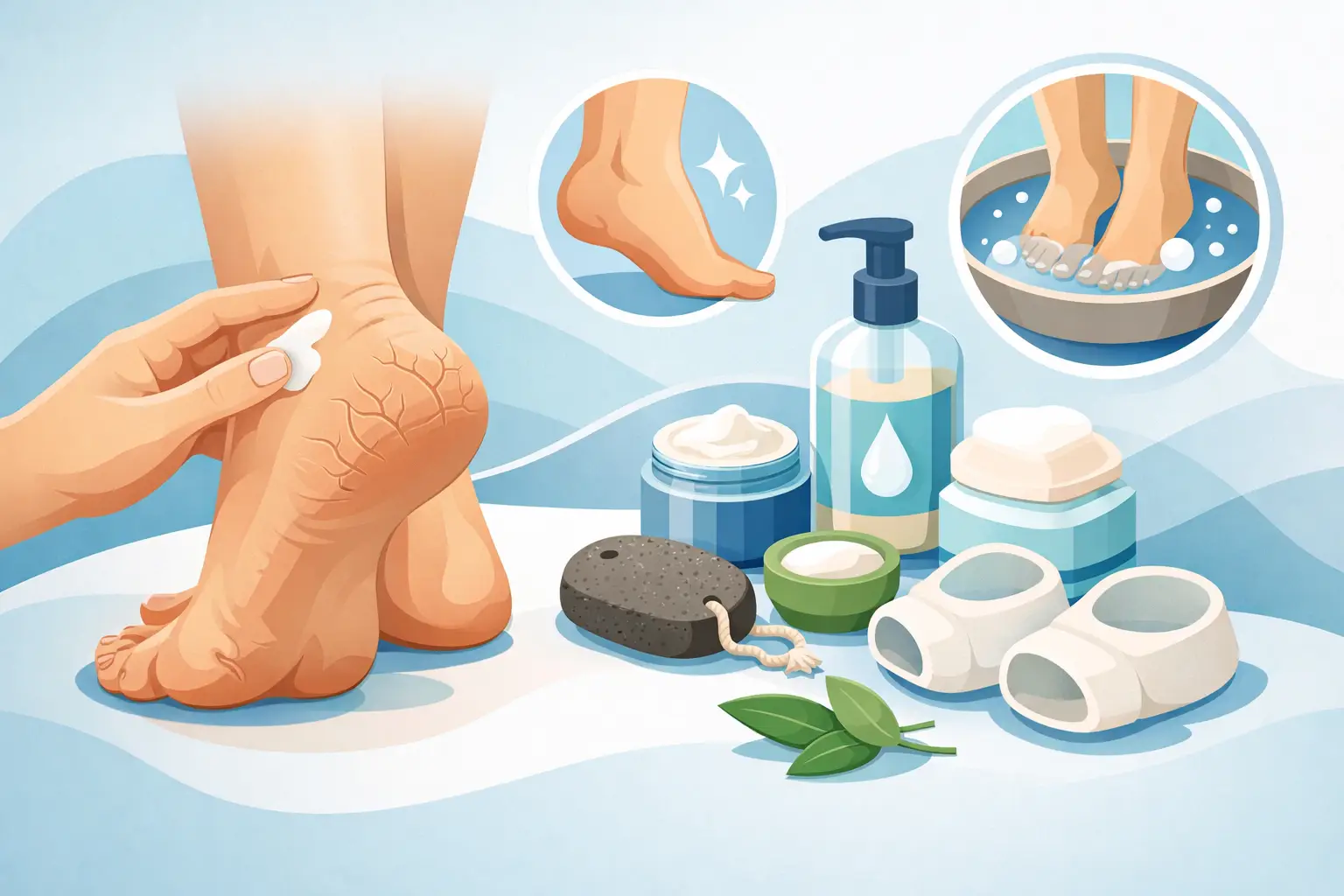
Best Treatments for Cracked Heels That Last
A heel that catches on your socks or stings when you take the first steps of the day is more than a cosmetic nuisance. Cracked heels can become painful, bleed and make everyday walking uncomfortable. The best treatments for cracked heels combine regular moisturising, safe removal of hard skin and attention to the reasons the skin is drying and splitting in the first place.
In Townsville’s warm conditions, open footwear, bare feet and dry, dusty environments can all leave the heel skin exposed. For many people, a simple home routine is enough. Deep fissures, ongoing pain or cracked skin in someone with diabetes need more careful assessment and treatment.
Why heels crack
The skin around the heel is designed to cope with pressure, but it can become thick and dry over time. When weight is placed on that hardened skin, it spreads outwards. If the skin is not flexible enough, small splits can form at the edges of the heel. These splits are known as fissures.
Standing for long hours, wearing open-backed shoes, walking barefoot and having very dry skin can all contribute. Some people are also more prone to callus build-up because of the way they walk, the shape of their feet or increased pressure through the heel. Conditions such as eczema, psoriasis and diabetes can affect skin health too.
A cracked heel is not always caused by poor foot care. It is often a practical sign that the skin needs more support, or that pressure through the foot needs to be managed differently.
The best treatments for cracked heels at home
For mild cracking that is not bleeding or infected, consistent home care can make a noticeable difference. The key is to soften the hard skin gradually rather than trying to remove it all at once.
Use a heel balm with urea
A cream containing urea is one of the most useful options for dry, thick heel skin. Urea helps draw moisture into the skin while softening hardened areas, making it particularly helpful where there is callus around the heel edge.
Apply it after bathing or showering, when the skin is clean and lightly towel-dried. Massage the cream into the heel and surrounding dry skin, not just into the visible crack. For thicker callus, a higher-strength urea product may be recommended by a podiatrist. Stronger products are not right for every person, especially if the skin is broken or sensitive.
Regular use matters more than applying a large amount once a week. Most heels respond better to daily treatment over several weeks.
Lock in moisture overnight
Night-time is a practical opportunity to give dry heels extra care. Apply your moisturiser or heel balm, then wear clean cotton socks to reduce rubbing and help keep the product on the skin. This can be especially useful during the first couple of weeks of treatment.
Avoid putting moisturiser between the toes. Excess moisture in this area can encourage skin breakdown or fungal infection. Keep creams focused on the soles, heels and dry areas of the foot.
Gently reduce hard skin
After a shower or brief foot soak, use a foot file or pumice stone gently on thick, dry callus. The aim is to smooth the surface, not to file the skin until it is tender. Stop if there is discomfort, bleeding or exposed skin.
Do not use blades, razors or sharp callus removers at home. These can cause cuts and increase the risk of infection. Chemical corn or callus products can also be too harsh for cracked heels and should be avoided unless a health professional has advised they are suitable.
Choose footwear that supports the heel
Open-backed thongs and sandals can allow the heel to spread with every step, which may worsen fissures. A closed shoe with a supportive heel counter can reduce this movement and protect the skin while it heals.
This does not mean you need to avoid sandals completely, but footwear choice matters when the cracks are painful or deep. Look for styles with cushioning, a secure fit and a heel cup rather than a flat, hard sole. If your work involves long periods on your feet, supportive shoes can help limit pressure and callus build-up.
When a cracked heel needs podiatry treatment
Home care is often effective for early or minor fissures, but it has limits. A podiatrist can safely remove built-up callus, assess the depth of the cracks and identify pressure patterns that may be contributing to the problem. Professional treatment can provide relief more quickly when thick skin is making walking painful.
At Ian’s Podiatry, cracked heel care can include careful reduction of hard skin, advice on suitable creams and footwear, and a treatment plan based on your skin condition, activity level and overall foot health. If poor foot mechanics are placing repeated pressure on one area, further assessment may help address the cause rather than only treating the result.
For some people, heel cracking returns because of dry skin and lifestyle factors. For others, it is linked to pressure from their gait, reduced mobility or shoes that no longer provide enough support. A tailored plan is more useful than repeatedly changing products without knowing why the skin keeps splitting.
Signs you should not ignore
Book an appointment promptly if your heel fissures are deep, bleeding, swollen, hot or increasingly painful. Fluid, odour, redness spreading beyond the crack or feeling unwell can indicate infection and should be assessed without delay.
People living with diabetes should be particularly cautious. Diabetes can affect circulation, sensation and the body’s ability to heal, meaning a small crack can become a more serious foot wound. Do not attempt to cut away hard skin yourself if you have diabetes, poor circulation, nerve damage or a history of foot ulcers. Regular diabetic foot assessments and early treatment for changes in the skin are a safer approach.
Older adults and anyone taking medicines that affect healing or immunity should also seek advice sooner rather than waiting for a fissure to worsen.
Preventing cracked heels from returning
Once the heel skin has improved, shift from intensive repair to regular maintenance. Applying a suitable moisturiser most days, gently managing callus when needed and wearing supportive footwear will usually do more than occasional aggressive filing.
It also helps to check your feet routinely, particularly if you cannot easily see the soles. Look for dry patches, thickened skin, redness, new cracks and changes around the nails. Catching a small dry area early is far easier than managing a painful split later.
If you spend time in thongs, sandals or bare feet, build foot care into your routine afterwards. Wash away dust and sweat, dry the feet well and apply heel cream before bed. Small habits are often what keep heel skin comfortable through the warmer months.
Painful cracked heels do not need to become something you simply put up with. With steady care and professional help when needed, your heels can become more comfortable, more resilient and ready to support the way you move every day.