How Biomechanical Assessments Improve Mobility
A lot of people put up with stiff, awkward or painful movement for far too long because they assume it is just part of getting older, training hard, or being on their feet all day. In many cases, the real issue is not simply pain in one spot. It is the way the feet, ankles, knees and hips are working together. That is exactly how biomechanical assessments improve mobility – by showing where movement is being limited, overloaded or poorly controlled, so treatment can be matched to the cause rather than the symptom.
If your heel hurts every morning, your child wears shoes unevenly, or your knees ache after a short walk, those signs can point to a movement problem that starts lower down the chain. A biomechanical assessment helps make sense of that pattern. Instead of guessing, it gives a clearer picture of how your body is moving and what may be holding you back.
What a biomechanical assessment actually looks at
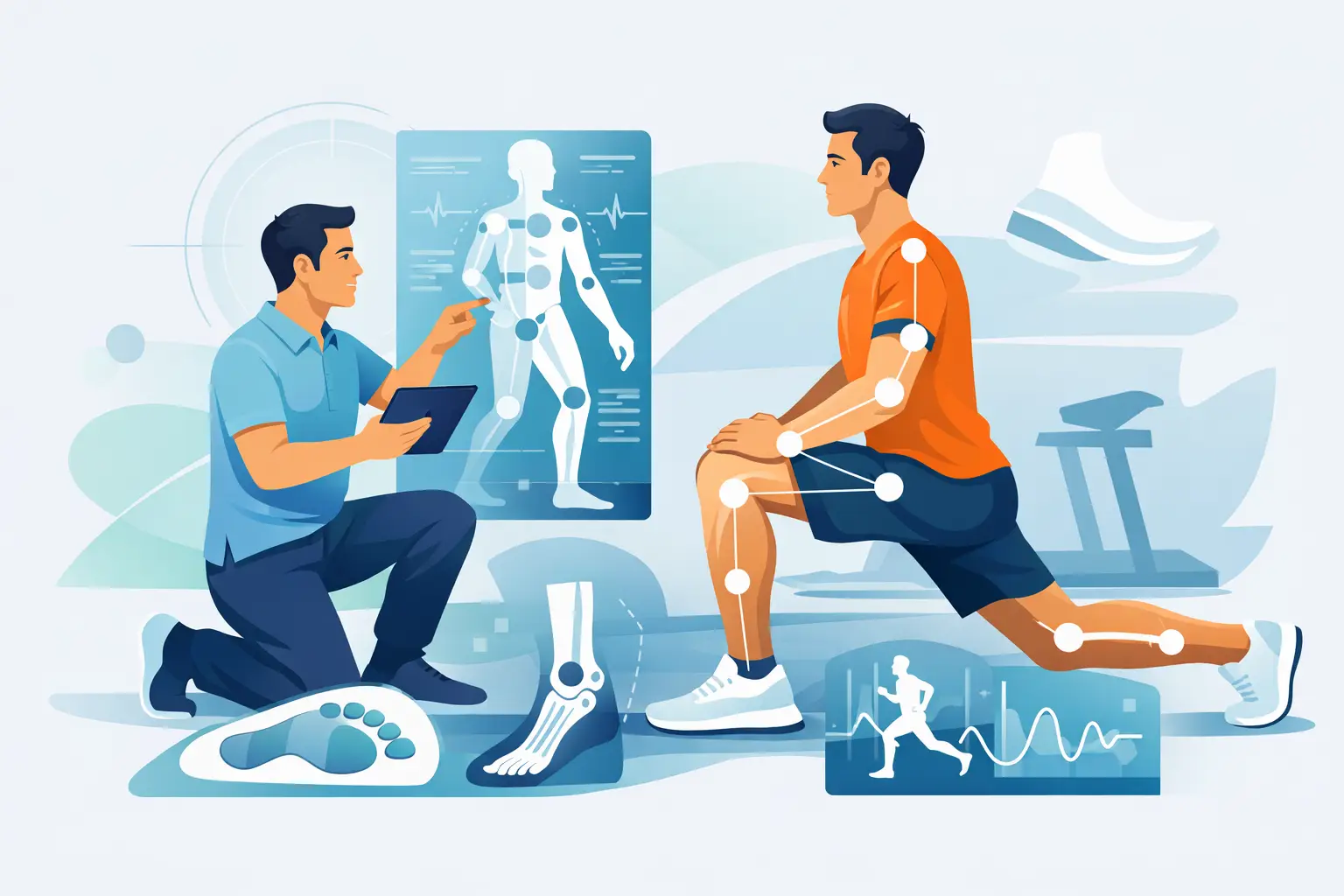
A biomechanical assessment examines the way your lower limbs function during standing, walking and sometimes running. It usually includes looking at posture, joint range of motion, foot position, muscle tightness, strength, balance and gait.
This matters because mobility is not only about flexibility. You can have flexible joints and still move poorly if the timing, control or load distribution is off. In the same way, a person with only mild foot pain may develop larger mobility problems if they start compensating through the ankle, knee or hip.
From a podiatry point of view, the feet are often the starting point. They are your base of support. If they are rolling in too much, staying too rigid, not absorbing force well, or struggling to propel you forward, the rest of the body has to adapt. Sometimes that adaptation works for a while. Sometimes it leads to pain, fatigue and reduced confidence with movement.
How biomechanical assessments improve mobility in real terms
The biggest benefit of a biomechanical assessment is that it replaces broad advice with specific findings. Telling someone to stretch more or wear better shoes may help a little, but it does not explain why they are limping, why one side keeps flaring up, or why they cannot move as freely as they used to.
A proper assessment can identify whether mobility is being affected by restricted ankle movement, unstable foot mechanics, muscle imbalance, joint stiffness, poor gait habits or a combination of factors. Once that is clear, treatment can become far more targeted.
For one person, improved mobility may come from supporting the arch and reducing strain through the plantar fascia. For another, it may come from improving big toe motion, which can make walking smoother and less guarded. A sporting patient may need help with force distribution during running, while an older adult may need better balance and foot stability to feel safer on uneven ground.
That individual approach is the real value. Mobility problems rarely have a one-size-fits-all fix.
Common problems a biomechanical assessment can uncover
Many lower-limb complaints are linked to movement patterns that are not obvious without assessment. Heel pain is a common example. While the pain is felt under the heel, the driver may be excessive pronation, calf tightness, reduced ankle dorsiflexion or prolonged overload through work, sport or standing.
Knee discomfort can also be linked to the feet. If the foot collapses inward excessively, it can change how the leg rotates and alter the load passing through the knee. The same goes for hip discomfort, shin pain and recurring ankle sprains.
In children, parents may notice tripping, toe walking, in-toeing, clumsy running or fast shoe wear. In adults, the concerns are often different – aching feet at the end of the day, stiffness on first steps, fatigue during walking, or repeated sports injuries. In older patients, the issue may be balance, slower walking speed, or reduced confidence moving around the community.
These are different presentations, but they all come back to the same question: how is the lower limb functioning under load?
Why mobility is about more than pain relief
Pain often brings people in, but mobility affects daily life much more broadly. It influences how easily you get through work, sport, school drop-off, shopping, housework and social activities. When movement becomes difficult, people naturally start doing less. That reduction can be gradual, and many people do not realise how much they have cut back until it starts affecting their fitness, independence or mood.
This is one reason biomechanical assessment is so useful. It is not only about treating an injury after it appears. It can also help catch movement issues early, before they become larger problems.
That said, not every biomechanical finding needs aggressive treatment. Some people have unusual gait patterns and no symptoms at all. Others have mild structural changes that become an issue only when activity levels rise. Good clinical care means matching the findings to the person, their symptoms and what they need to do day to day.
What happens after the assessment
Once the likely causes of reduced mobility are identified, treatment can be tailored to suit the patient. That may include footwear advice, stretching, strengthening, orthotic therapy, activity modification, hands-on care or a combination of approaches.
For example, someone with plantar heel pain and limited ankle motion may benefit from calf stretching, footwear changes and support to reduce strain during walking. A runner with forefoot overload might need a different shoe setup, technique advice and temporary pressure relief. A patient with arthritis may need ways to improve comfort and stability rather than aiming for perfect mechanics.
This is where practical podiatry care makes a difference. The goal is not to chase textbook movement. The goal is to help you move with less pain, more efficiency and more confidence.
How biomechanical assessments improve mobility across different ages
Children, adults and older people can all benefit from assessment, but the focus changes with age.
In children, biomechanics can affect development, coordination and comfort. Early assessment can help identify whether a child is growing through a normal stage or whether they may benefit from support. Not every flat foot or unusual walk needs treatment, but some patterns are worth monitoring.
In working-age adults, mobility issues are often linked to job demands, exercise habits and old injuries. Standing on hard floors, carrying extra load, returning to sport too quickly or ignoring a painful foot for months can all change how someone moves.
For older adults, the concern may be preserving independence. Foot pain, poor balance and reduced joint movement can make people less steady and more cautious. Small changes in support and function can make everyday movement feel much safer and less tiring.
When an assessment is especially worthwhile
There are times when a biomechanical assessment is particularly helpful. If pain keeps returning, if one side wears out shoes much faster, if walking feels uneven, or if sport repeatedly triggers the same problem, there is often a mechanical component worth investigating.
It is also useful for people managing long-term conditions. For patients with diabetes, changes in foot shape, pressure areas and sensation can affect both comfort and safety. Understanding how the foot is functioning can support better pressure management and help reduce risk.
At Ian’s Podiatry, this kind of assessment is part of looking at the whole lower limb, not just the sore spot. That broader view often explains why quick fixes have not worked.
What a biomechanical assessment cannot do
It is worth being clear about limits as well. A biomechanical assessment does not solve every mobility issue on its own. If pain is being driven by inflammatory disease, nerve involvement, significant arthritis or an acute injury, biomechanics may only be one piece of the puzzle.
It also does not mean every person needs orthotics. Orthotics can be helpful in the right case, but they are not the answer to every mobility complaint. Sometimes the best result comes from exercise, footwear changes or load management. Often, it is a mix.
That is why clinical judgement matters. The assessment should guide treatment, not force it.
Better movement starts with better information
When people understand why they are moving poorly, treatment becomes more practical and far less frustrating. A biomechanical assessment gives that clarity. It can show why the same pain keeps returning, why certain activities feel harder, and what changes are most likely to help.
If your movement has become limited, uncomfortable or unreliable, the answer may be simpler than you think. Often, it starts with looking carefully at how your body is working from the ground up – and giving it the right support to move well again.