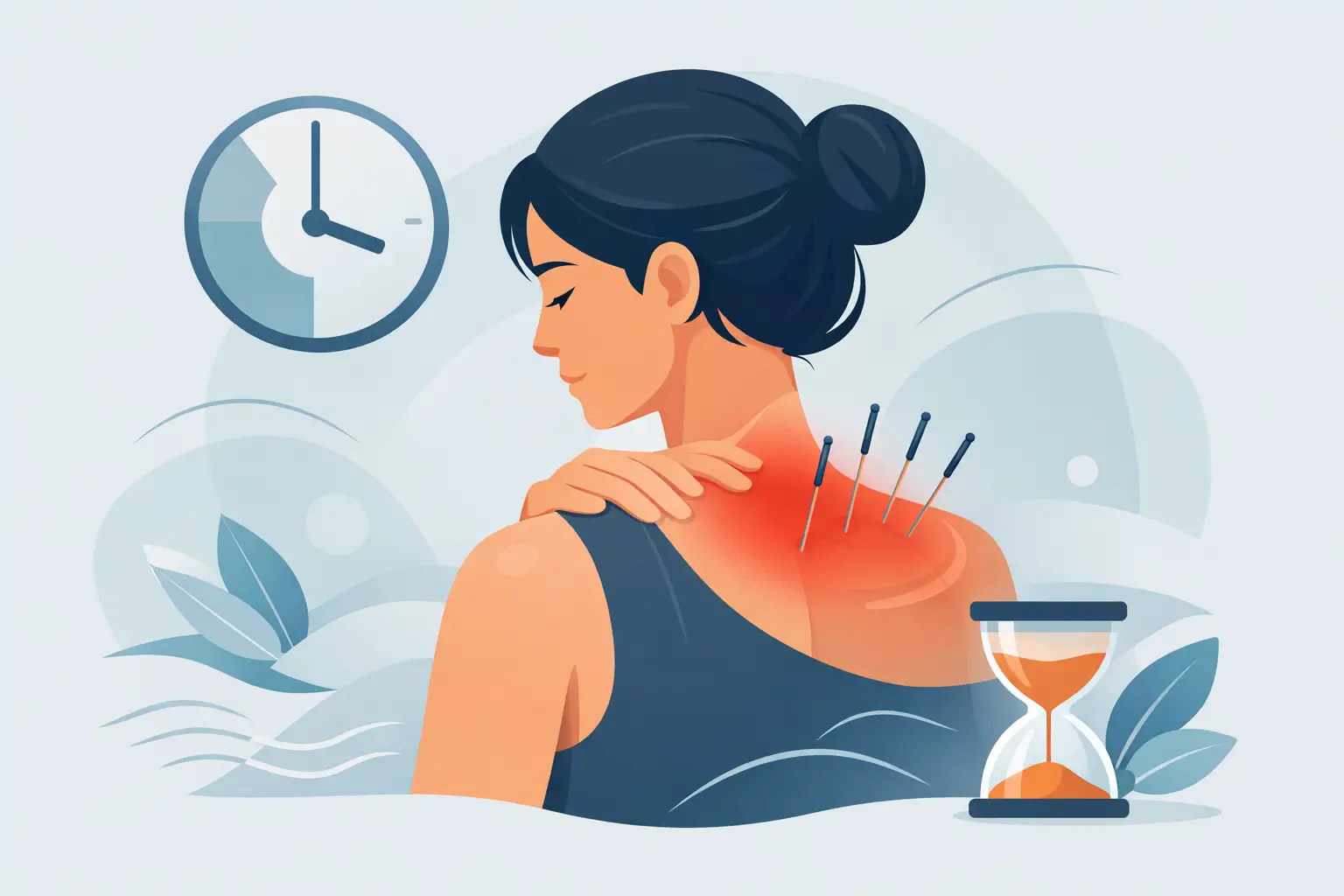
How Long Does Dry Needling Pain Last?
If you have walked out of an appointment feeling a bit tender and wondered how long does dry needling pain last, you are not alone. Mild soreness after treatment is common, especially when tight or irritated muscles have been targeted. For most people, that post-treatment discomfort settles within 24 to 72 hours, although the exact timeline depends on the area treated, how reactive the muscle was, and how your body usually responds to hands-on therapy.
Dry needling is often used to help reduce muscle tightness, improve movement, and ease pain linked to trigger points. In podiatry, it can be helpful for lower-limb concerns such as calf tightness, plantar heel pain, shin discomfort, and muscle overload affecting the feet and legs. The aim is not to create pain for its own sake. Instead, the treatment is used to calm irritated tissues and support better function, even if there is a short period of soreness afterwards.
How long does dry needling pain last after treatment?
For most patients, the immediate response is either a dull ache, a bruised feeling, or local muscle soreness that starts soon after the appointment or later that day. This usually improves within one to three days. Some people feel little to no soreness at all, while others notice the area is more tender the next morning.
A smaller group of patients can stay sore for up to four or five days, particularly after their first session or when a very tight muscle has been treated. This does not always mean anything has gone wrong. It can simply reflect that the muscle was quite reactive, or that the body is adjusting to treatment.
What matters most is the overall pattern. Mild to moderate soreness that gradually eases is generally expected. Pain that becomes sharper, more widespread, or noticeably worse after the first couple of days deserves a follow-up discussion with your treating clinician.
Why dry needling can feel sore
Dry needling works by inserting a very fine needle into a muscle trigger point or tight band of tissue. That can cause a twitch response in the muscle, followed by temporary irritation in the treated area. In simple terms, the muscle has been stimulated and may react before it settles.
This is one reason dry needling can feel different from massage or stretching. The soreness is often more localised and can resemble the feeling you get after a hard training session or after using a muscle you have not used properly in a while. It is usually short-lived, but it can catch people off guard if they were expecting instant relief with no after-effects.
There is also an individual factor. Some people are naturally more sensitive to treatment, especially if they already have long-standing pain, poor sleep, high stress, or a very inflamed area. Others recover quickly and barely notice anything beyond mild tenderness.
What affects how long dry needling pain lasts?
The biggest factor is the muscle itself. A calf muscle that has been tight for months may respond more strongly than a mildly tense area that only flared up this week. If the treatment targets deep or heavily loaded muscles in the lower limb, you may feel a bit more soreness afterwards simply because those tissues do a lot of work every day.
The number of needles used and how many areas are treated can also make a difference. A brief session in one spot may leave very little soreness. A more involved session across several tight muscles may create a stronger response for a day or two.
Your activity level after treatment matters as well. If you return straight to sport, spend hours on your feet, or tackle a physically demanding day at work, the area may feel more aggravated. That does not always mean the treatment failed. It may just mean the muscle did not get much chance to settle.
Hydration, sleep, general health, and previous experience with dry needling can all influence recovery too. First-time patients often feel more post-treatment soreness than those who have had it before and know how their body responds.
What is considered normal pain after dry needling?
Normal post-needling discomfort is usually mild to moderate. It may feel like tenderness when you press on the area, stiffness when you first move, or an ache that is noticeable but manageable. Some people also notice slight redness or a small bruise where the needle was inserted.
It is also common for symptoms to shift a little before they improve. For example, a tight calf may feel more aware for a day, then loosen up over the following days. A plantar heel pain patient might notice the calf is sore after treatment, but walking becomes easier once that initial tenderness settles.
What is not considered typical is severe pain, marked swelling, spreading redness, fever, fainting, or symptoms that continue to worsen rather than improve. Those responses are uncommon, but they should not be ignored.
How to make dry needling soreness settle faster
Most post-treatment soreness can be managed with simple care. Gentle movement is usually better than complete rest. A short walk, light stretching if your podiatrist has recommended it, and staying generally mobile can help the muscle calm down.
Drinking enough water and avoiding heavy loading of the treated area for the rest of the day can also be useful. If you have had needling in the calf, for instance, it may be wise to skip sprint training or a long hill session that evening.
A warm shower or heat pack often feels helpful for muscle soreness, although some people prefer ice if the area feels particularly irritated. There is no one perfect rule here. It depends on how the tissue feels and what your clinician has advised.
If you were given exercises, footwear advice, or a broader treatment plan, following that advice matters. Dry needling is rarely a standalone fix. It is often one part of managing the actual cause of pain, whether that is overload, poor foot mechanics, reduced ankle mobility, or a return-to-sport issue.
When to ask for advice
If your soreness has not started easing after 72 hours, it is worth checking in. The same applies if the pain is stronger than expected, interferes significantly with walking, or feels different from the normal muscular ache you were told to expect.
You should also seek advice if you develop unusual symptoms such as significant bruising, numbness, strong swelling, or signs of infection. These are not the usual post-treatment effects and should be reviewed promptly.
A good clinician will want to know how you responded. Sometimes the answer is simply to adjust the next session by treating fewer points, using a gentler approach, or spacing appointments differently. Treatment should be tailored to your response, not forced into the same pattern every time.
How long does dry needling pain last compared with the benefit?
This is where expectations matter. The soreness from dry needling is usually short, but the benefit may take a little time to show itself. Some patients feel looser or less painful within hours. Others need a day or two for the area to settle before they notice improved movement or reduced tension.
There is also a trade-off. If a muscle has been persistently tight and contributing to ongoing foot or lower-limb pain, a brief period of soreness may be a reasonable part of treatment. But if each session leaves you quite sore for too long with little improvement afterwards, the approach may need reviewing.
That is why dry needling should sit within a proper assessment and treatment plan. At Ian’s Podiatry, the goal is not just to reduce a sore muscle for a day. It is to improve how you move, reduce strain on the feet and legs, and help you stay active with less discomfort.
The bottom line on dry needling soreness
For most people, dry needling pain lasts between 24 and 72 hours. A bruised or aching feeling can be normal, especially after the first session or when very tight muscles are treated. The key signs to look for are that the soreness is manageable, localised, and gradually settling.
If you are ever unsure whether your response is normal, ask. Good treatment should come with clear guidance on what to expect and what to do next, so you feel confident about your recovery rather than guessing your way through it.
A little soreness after treatment can be part of the process, but it should be moving you towards better comfort and better movement – not leaving you stuck wondering what just happened.