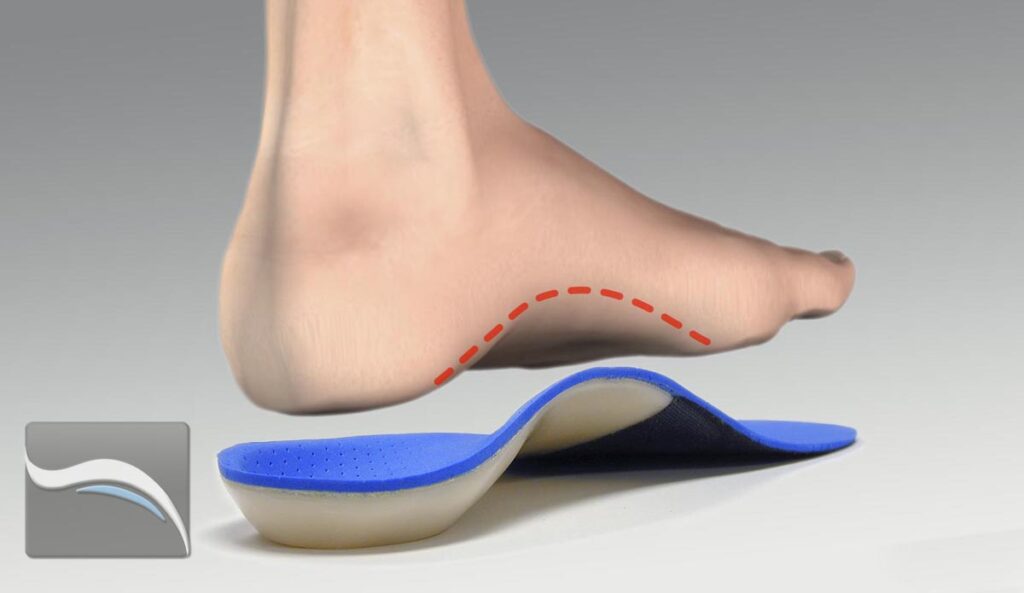
Discomfort within the feet and legs can lead to problems in the ability to walk normally and participate in activities. There are many people who suffer from aches due to problems related to poor alignment, wearing inappropriate shoes, or simply walking or running in the wrong way. When conservative treatment is not successful in providing a solution, practitioners at Ian’s Podiatry examine the detailed biomechanics of the patient. The individual must be well-informed about how the medical insoles interact with the feet. In this guide, we will discuss the way the custom made orthotics alleviate pressure on the lower extremities.
What Are Custom-Made Orthotics?
Custom-made orthotics are medically engineered foot supports used for re-aligning body structure and improving the biomechanical functioning of the foot. While ready-made inserts can be purchased in store aisles for a nominal fee, these orthotic devices are crafted using the three-dimensional mold of one’s own foot. The aim is to provide even distribution of pressure, balance the heels, and ensure proper movement when walking. The custom-made orthotics also consider structural imbalance in the body to help relieve the muscles and ligaments of any strain.
In this guide, you will find the answers to such questions as what causes lower limbs to ache and why it is necessary to seek targeted support to alleviate the pain caused by structural problems. At Ian’s Podiatry, we conduct a thorough evaluation of lower limb mechanics in order to establish whether orthotic device prescription would be effective for you.
Struggling with ongoing foot or lower-leg pain during your daily routine?
Why Do Feet and Legs Hurt?
Discomfort in the lower limb generally results from the interaction of mechanical factors that cause overloading of muscles, tendons, and joints in routine physical activity:
- Structural Problems: Flat feet or high arches result in poor biomechanics of the foot, and hence over-pronation or over-supination of the feet, which places pressure on the joints of the lower limbs.
- Constant Impact Stress: Walking or running on hard surfaces causes damage to the foot tissues due to repetitive trauma, resulting in constant soreness.
- Muscle Compensation: Weak or unevenly developed muscles in the feet cause extra work by the muscles of the legs and calves, increasing muscle exhaustion.
Determination of the origin of the pain involves careful observation of the individual’s gait and shoe-wear pattern, and joint flexibility. Understanding the mechanical problems faced helps in devising appropriate non-invasive solutions.
How Do These Devices Correct Lower-Limb Alignment?
Correct foot alignment impacts the overall body posture since the feet are the main structure upon which one walks:
- Arch Support: The hard or semi-hard shells will limit the over-flattening of the arch, thereby relieving pressure on the plantar fascia and the foot muscles.
- Pressure Distribution: The specially-shaped top cover will distribute body weight evenly through the sole, thus eliminating painful high pressure on the heel and the front part of the foot.
- Gait Stabilization: The heel cup stabilizes the rear foot movement, thereby preventing any movement that strains the ankle and knee joints.
Through improving foot biomechanics, these supportive devices promote correct body posture.
When Is a Biomechanical Foot Assessment Necessary?
A biomechanical foot assessment should be done for someone experiencing pain in the lower extremities that is not relieved even after taking enough rest and wearing proper shoes:
- Painful Joints: Pain experienced in the ankles, knees, and lower back occurs due to functional disorders of the body when moving about.
- Uneven Wear and Tear in Shoes: Any wear and tear in the inner or outer part of the soles of shoes means that there is some improper foot positioning when moving about.
- Injury During Normal Activities: Occurrence of injuries such as shin pains, heel pain, and tendon pains indicates some functional disorders.
Receiving an orthotic device prescription enables stressed tissues to rest while preventing excessive mechanical strain during physical activities. Providing reliable alignment and structural support helps support natural tissue recovery over time.
Can Custom Orthotics for Leg Pain Provide Relief?
To treat leg pain, it is necessary to correct alignment at ground level, since poor foot mechanics cause additional problems:
- Shockwave Absorption: Foot cushions absorb the shock that influences the legs, which helps prevent the calf muscles and shins from getting too jolted.
- Rotation Prevention: Since excessive rotation of the foot causes knee and hip rotation, this is prevented.
- Muscle Relaxation: The constant alignment allows the muscles not to get stressed.
Using custom orthotics for leg pain will help people maintain balance during the whole sequence of movements. With constant support for the feet, the muscles will not get stressed and will be able to move freely.
Do Orthotics For Foot Pain Change Daily Walking?
The incorporation of specialized orthotics in shoes helps in improving the walking mechanics through better weight dispersion and joint placement. Uniform distribution of the load helps in eliminating any friction and pain that could be caused as a result of poor pressure distribution on the bottom of the feet. In addition, orthotic heel cups help in maintaining stability by preventing any sideways movement.
The correction of structural alignment reduces energy losses. Therefore, it makes it easier to stand and walk and changes the reaction forces of the ground to act on the feet. Thus, orthotics for foot pain ensure that the individual walks without having any stiffness in the lower limbs.
Ready to experience smoother, more comfortable movement every day?
Support Long-Term Recovery with Professional Care
Long-lasting pain relief for individuals suffering from long-term lower extremity pain needs the assistance of professionals who will diagnose and treat the issue in accordance with the unique needs of the patient. Therefore, visiting a competent podiatrist in Townsville is one way to ensure that all patients receive appropriate evaluations and proper treatments. At Ian’s Podiatry, our podiatrists will assist you with this.