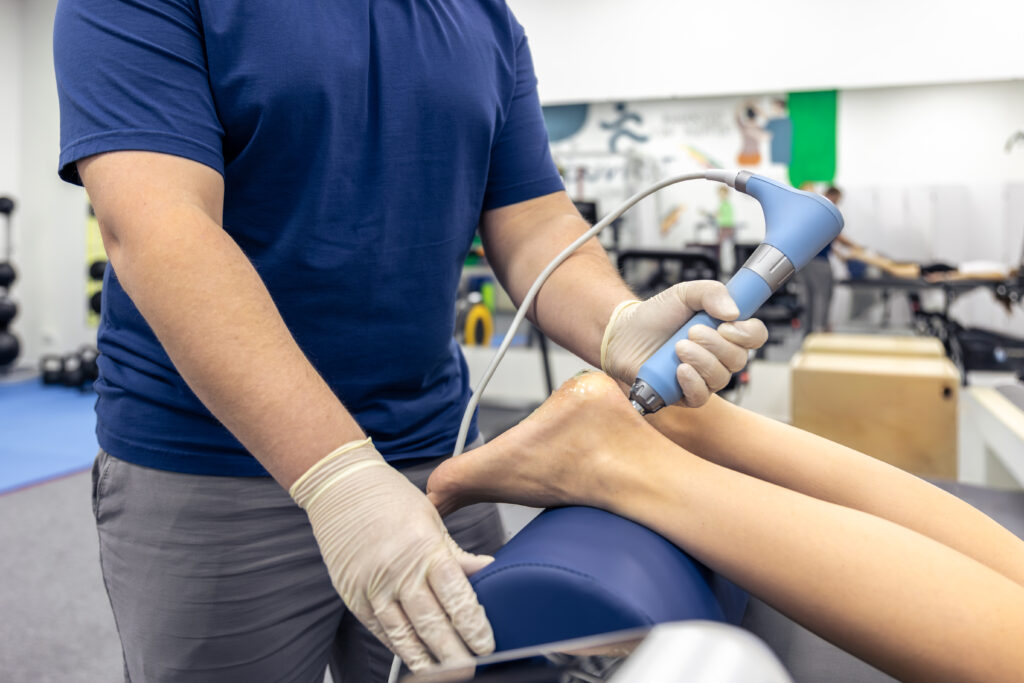
Pain in the heel upon taking the first steps in the morning is an obvious sign of plantar fasciitis. And the majority of patients can be cured with conservative therapy. In cases when it continues to occur after six months of stretching exercises, wearing shoes, and resting, the discussion on using shockwave therapy for plantar fasciitis comes into place. This blog post gives you detailed answers on why it occurs, how it is done, what the scientific literature says about it, what other factors can help recovery, and who can apply it. At Ian’s Podiatry, we aim to combine soul and science and make sure that people step out more often. Here you will find everything you need to know about shockwave therapy for chronic plantar fasciitis.
How Does Shockwave Therapy Work For Chronic Plantar Fasciitis?
Shockwave therapy successfully treats chronic plantar fasciitis due to its ability to stimulate tissue healing and dissolve calcified spots in recalcitrant heel tissue. There is sufficient clinical evidence indicating that acoustic waves lessen pain and restore motion in people who have failed to experience improvement after six months of rest, exercise, and use of orthotic devices. Shockwave treatment for plantar fasciitis is an effective method of shockwave treatment for plantar fasciitis.
In this article, we provide you with all the necessary information about this innovative approach and what current scientific research says about it, as well as explain what happens during the typical treatment protocol. We also highlight additional important techniques that will accelerate your recovery and discuss how a specialist from Ian’s Podiatry will evaluate your feet for potential shockwave therapy.
What Makes Plantar Fasciitis Turn Chronic?
The plantar fascia is a ligament connecting the bottom of the heel to the metatarsal bones of the toes and providing support to the arch of the foot. Over time, repetitive strain irritates the plantar fascia, but in chronic conditions, it is not only the plantar fascia that is affected. As wear and tear is sometimes the main problem rather than plantar fascia inflammation, this explains why simple rest does not always work.
The following factors increase the chances of prolonged pain:
- Prolonged standing and walking on hard surfaces
- Restricted ankle mobility
- Increased activity such as running
- Uncomfortable shoes
- Obesity
At Ian’s Podiatry, we identify the root cause of your heel pain and build a tailored treatment plan to help you recover quickly.
Are you struggling with persistent heel pain every morning?
How Does the Procedure Work?
Acoustic pulses are applied to the heel through the use of gel and a handheld applicator by a practitioner. There is still some ambiguity about the precise mechanism used, but the acoustic pulses are believed to promote the regeneration of damaged tissues and modify pain sensation. For example, for shockwave treatment for plantar fasciitis, a registered podiatrist will start by determining the site that is most sensitive and then adjust the intensity to suit the comfort level of the patient. Some clinics use radial shockwaves, while others make use of focused shockwaves.
Typical treatment protocol includes:
- Once-a-week sessions lasting three to five weeks
- Five to ten minutes per session
- Initially low intensity that is raised as tolerated
- Walking normally after the procedure but avoiding high-impact exercises for a few days
The protocol may vary from one clinic to another; therefore, the protocol of the practitioner is prioritised over the general one.
What Does the Research Say About Results?
Studies have produced a positive outlook, particularly concerning those suffering from chronic ailments. An older review of physical treatment options for heel pain ranked this particular method superior to the use of night splints, orthotics, and stretching. However, this particular study is a few years old. In a study involving 40 patients who suffered from chronic ailments, all patients received four weekly treatments, and the pain level was analysed after one and three months. Some patients may not see results because there are variations in the devices used and other factors. Shockwave therapy for plantar fasciitis has been shown to work better on patients suffering from heel pain that has not responded to conventional methods for three to six months.
What Else Supports Recovery Between Sessions?
It is generally advised that recovery from plantar fasciitis treatments requires a combination approach. In addition to stretching exercises such as calf and arch stretches, it is suggested to wear padded and supportive shoes and increase activities gradually. Those experiencing morning pain can use night splints. Running shoes are recommended to be changed once every 300-500 miles; strengthening calf and foot muscles would be beneficial in making tissues resistant to overload. Walking outside in an easy manner can keep the level of activity at a reasonable level while not overloading the heel.
Is chronic plantar fasciitis stopping you from staying active?
Call Us: 07 4463 9189
Ready to Put Heel Pain Behind You?
Prolonged heel pain requires treatment based on proper diagnosis rather than guessing. People who failed basic treatments may find it worth trying, according to the research conducted, although each case has individual outcomes. Ian’s Podiatry believes that happiness begins with movement, and getting expert advice is a practical path to take. Our Townsville podiatrist will examine your foot, determine the reason for pain, and provide you with information about whether this treatment is suitable for you.